


Description
Origin & botany
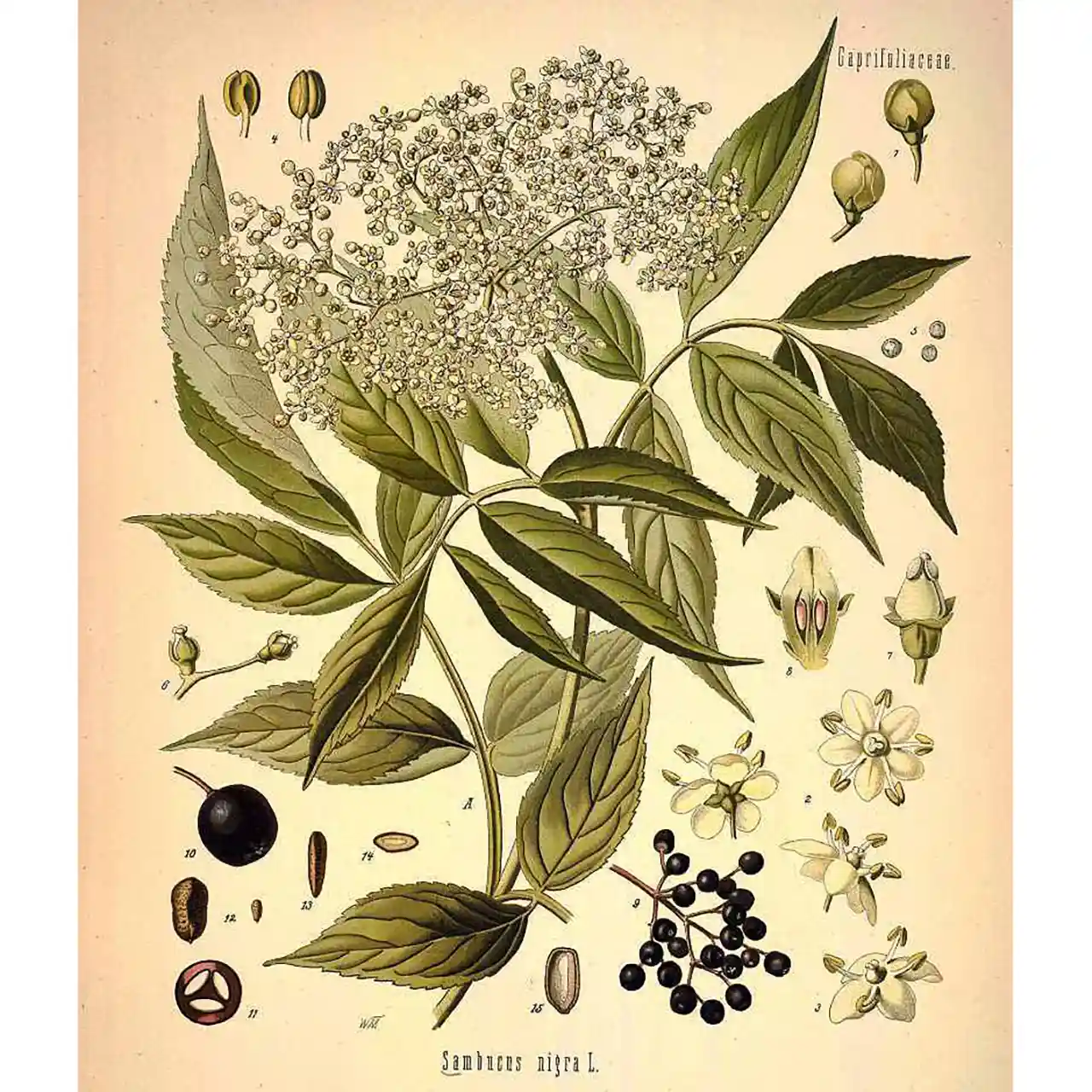
The black elder (Sambucus nigra) is a deciduous shrub or small tree that occurs naturally across large parts of Europe. It often grows in hedgerows, on the edges of woods and around farmyards. The leaves consist of several elongated leaflets with serrated edges. In late spring, broad, creamy-white umbels of flowers appear. Each umbel consists of many small florets which together form a striking display. For this organic product, the blossoms are dried and the coarser parts are removed.
Traditional use
Elderflower has traditionally been used in herbal infusions, syrups and homemade lemonade. Fresh flower umbels were also dipped in batter and fried. Moreover, the elder tree was often found on farms and in farmyards, and thus became an integral part of local customs and folk tales.
Dit kruid heeft een plaats binnen de Herbal medicine. Deze verwijzing betreft uitsluitend de cultuurhistorische achtergrond en is geen uitspraak over werking of effectiviteit.
Taste, aroma and appearance
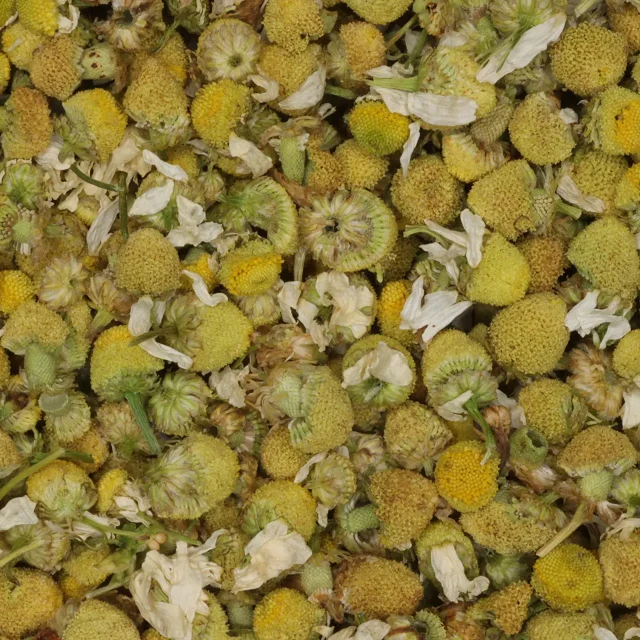
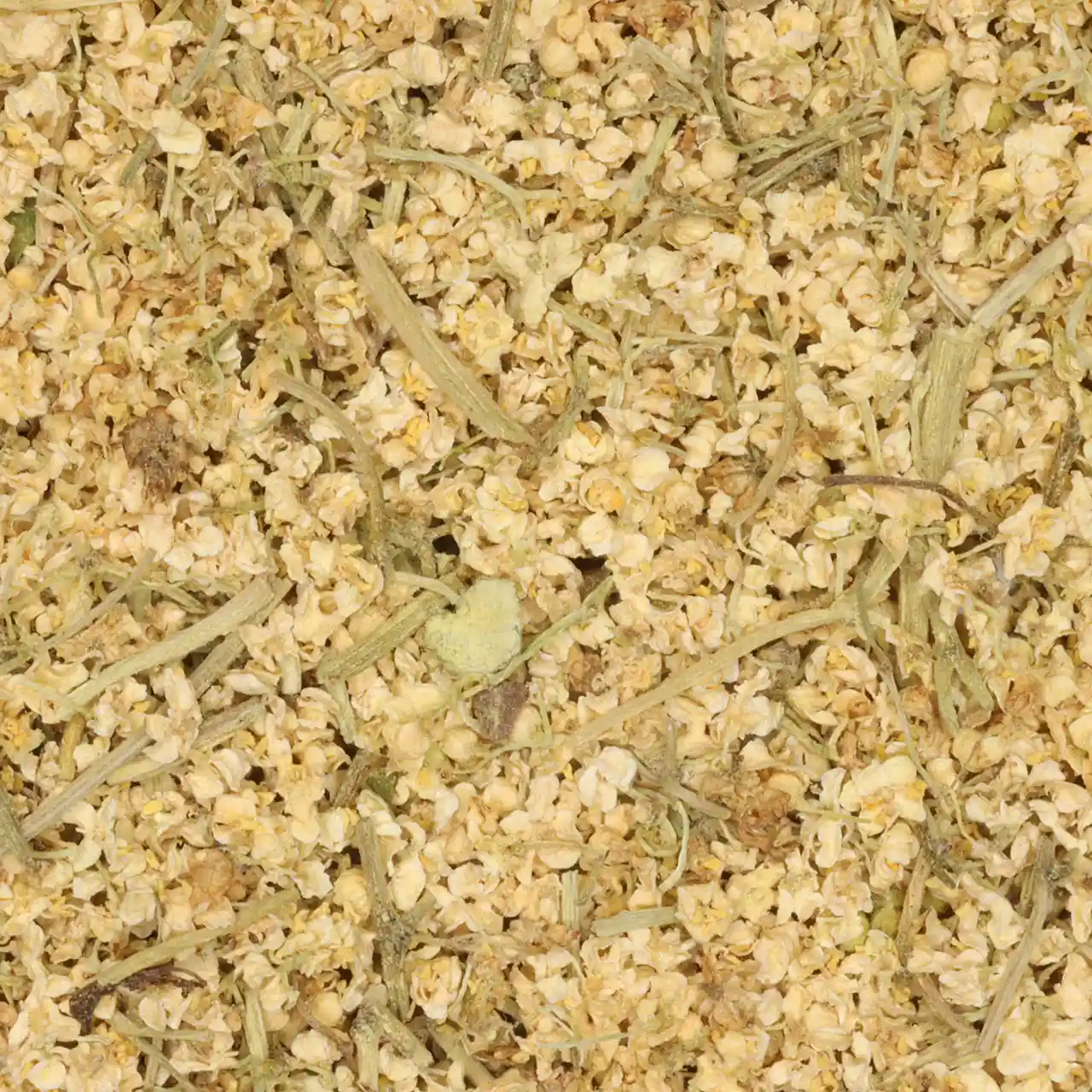
Dried elderflower has a light, airy texture and is pale yellow to beige in colour. Fine stalks may be visible amongst the tiny flowers. The aroma is soft and floral, with a slightly sweet note reminiscent of honey. When brewed as a herbal infusion, elderflower produces a light, fragrant drink with a gentle floral flavour and a mild herbal note. The aftertaste remains refined and light. The flowers can be brewed on their own or combined with, for example, camomile, mint or lemon balm.
Fun fact 🌼
From a distance, an elderflower umbel looks like one large flower, but it actually consists of many tiny flowers on branched stalks. Together, they form the creamy-white, almost cloud-like umbels that make a flowering elder so easily recognisable.