




Description
Origin & botany
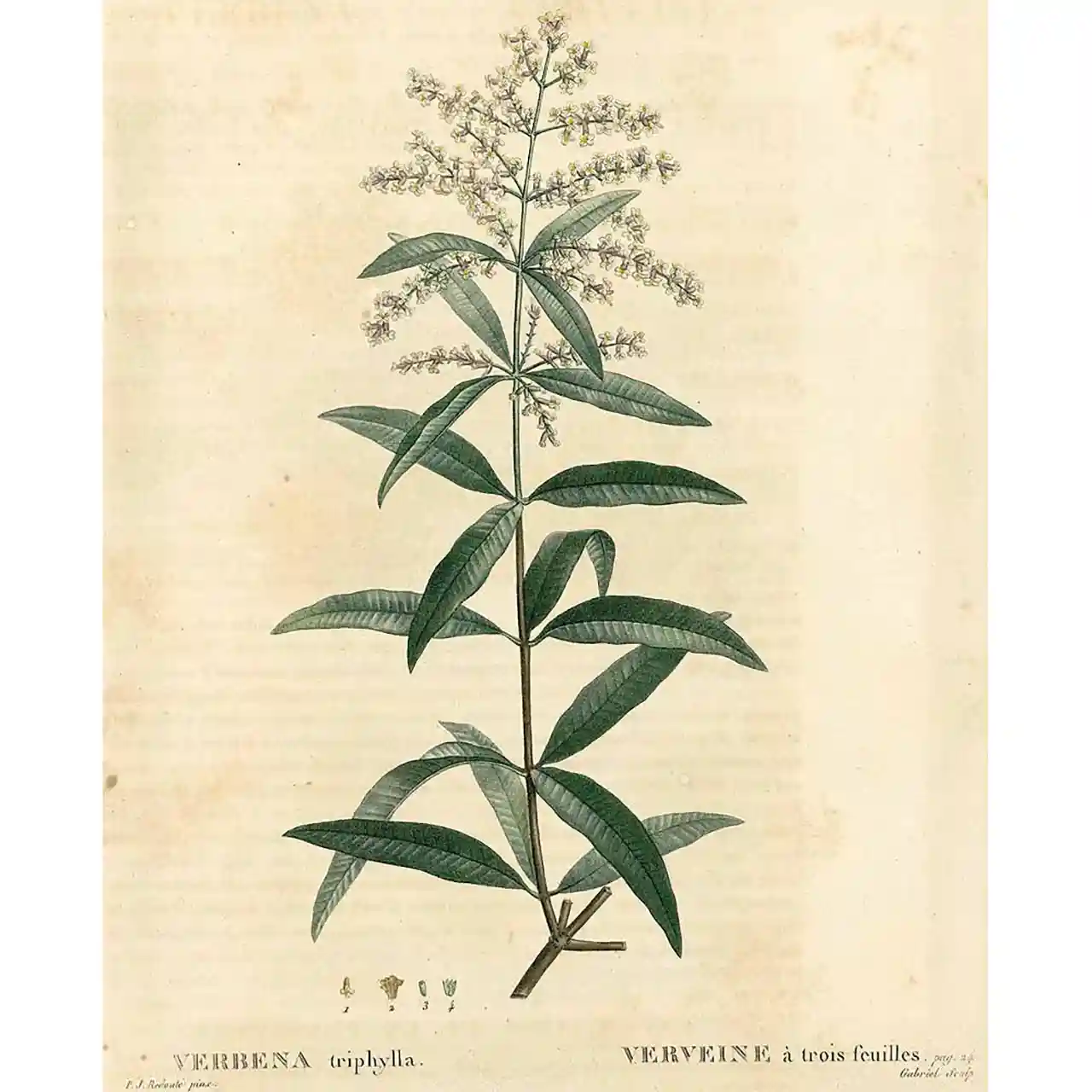
Lemon verbena (Aloysia citrodora) is an aromatic shrub native to South America. The plant has narrow, elongated leaves which, when touched, give off a distinct lemon scent. This scent is characteristic of the leaves: lemon verbena is not botanically related to the lemon. Following its introduction to Europe, the plant found a place in herb gardens and kitchens. It is the fragrant leaves in particular that are used, either fresh or dried. The name lemon verbena refers to its fresh aroma, whilst the botanical name makes it clear exactly which plant is being referred to.
Traditional use
In European households, lemon verbena has traditionally been served as a herbal tea and used as an aromatic culinary herb. The leaves also found their way into desserts, syrups, liqueurs and fragrant spice blends, where the distinctive lemon aroma was particularly appreciated.
Dit kruid heeft een plaats binnen de Herbal medicine. Deze verwijzing betreft uitsluitend de cultuurhistorische achtergrond en is geen uitspraak over werking of effectiviteit.
Flavour, aroma and appearance
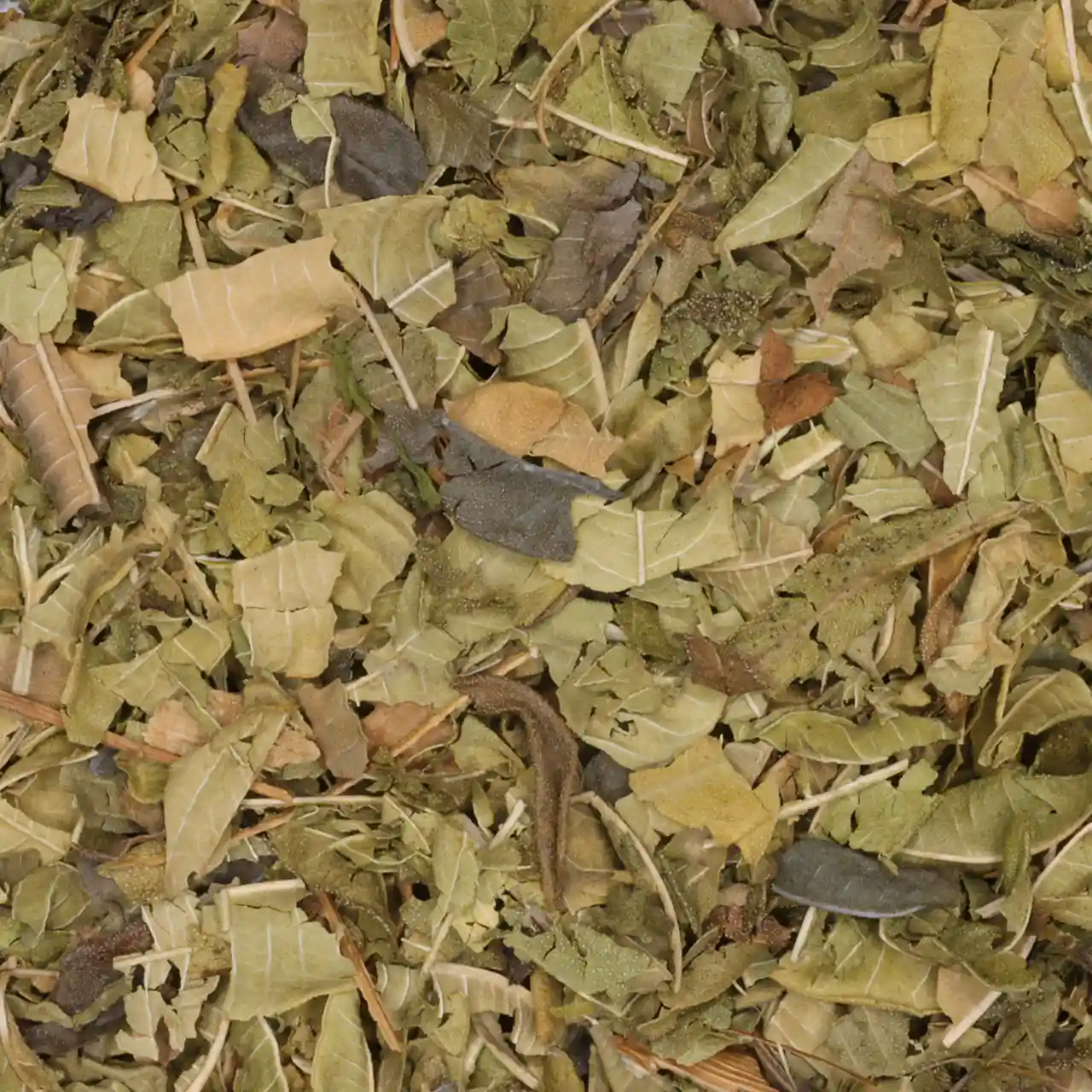
The dried lemon verbena leaf has a bright, fresh aroma that is distinctly reminiscent of lemon zest. Underlying this are soft floral and slightly herbaceous notes. The flavour is citrusy without the tartness of citrus fruits, with a mild mouthfeel and a refined, slightly floral aftertaste. When brewed as a hot herbal infusion, the leaves produce a light, aromatic drink. The lemony character also comes through clearly when served cold. Lemon verbena can be brewed on its own or combined with, for example, mint, lemon balm or lemongrass.
Fun fact 🌿
The French name verveine is not always used quite accurately. In the tea trade, it usually refers to lemon verbena (Aloysia citrodora), also known as verveine citronnée or ‘verveine odorante’. Verveine officinale, on the other hand, is Verbena officinalis: the plant known in Dutch as ‘ijzerhard’.