


Description
Origin & botany
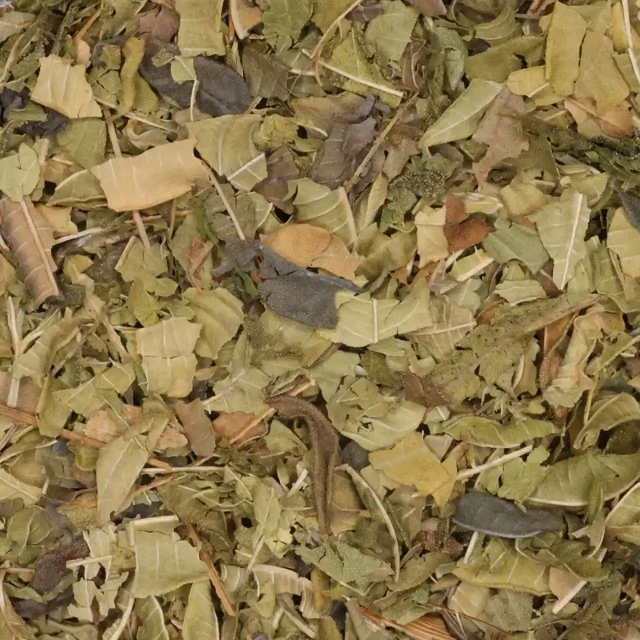
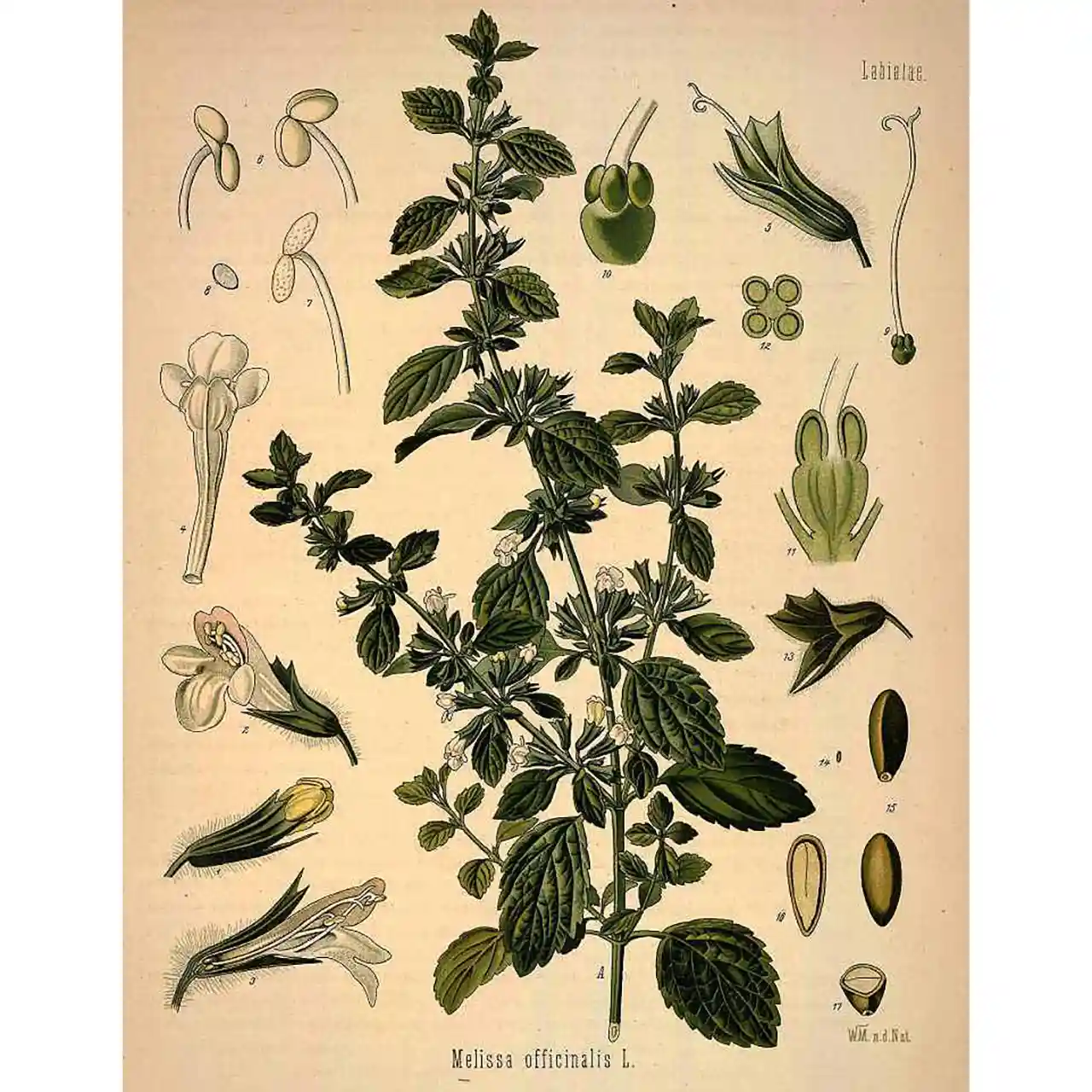
Lemon balm (Melissa officinalis) is a perennial, fragrant plant from the Lamiaceae family, the same family as mint and sage. The branched stems bear leaves that grow in opposite pairs and have a slightly serrated edge. When touched or crushed, the plant releases its distinctive lemon scent. The plant has long been cultivated in European herb and vegetable gardens. The leaves are used, both fresh and dried, in hot and cold drinks, herbal blends and dishes. This product consists of organically grown, dried and chopped leaves.
Traditional use
Historically, lemon balm had a firm place in herb gardens, kitchens and household herbal preparations. The leaves were used in hot infusions, herbal drinks and fragrant blends, but also as a flavouring in sweet and savoury dishes.
Dit kruid heeft een plaats binnen de Herbal medicine. Deze verwijzing betreft uitsluitend de cultuurhistorische achtergrond en is geen uitspraak over werking of effectiviteit.
Flavour, aroma and appearance
The chopped leaves and fine stem pieces form a loose, leafy herbal mixture. The scent is soft and fresh, with a distinct yet subtle lemony note. Underlying this are green, slightly herbaceous tones. The aroma is milder and more leafy than that of lemon zest or lemongrass. As a herbal infusion, lemon balm offers a light, approachable flavour with a gentle mouthfeel and a subtle citrus character. The herb can be brewed on its own and also pairs well with, for example, mint, camomile or lemongrass. As the product consists solely of lemon balm, the infusion is naturally caffeine-free.
Fun fact 🐝
The name Melissa comes from the Ancient Greek word ‘mélissa’, meaning ‘honeybee’. This name reflects the plant’s small flowers, which are visited by bees. Thus, the botanical name does not refer to the lemony scent of the leaves, but to a familiar visitor to the flowering plant.