


Description
Origin & botany
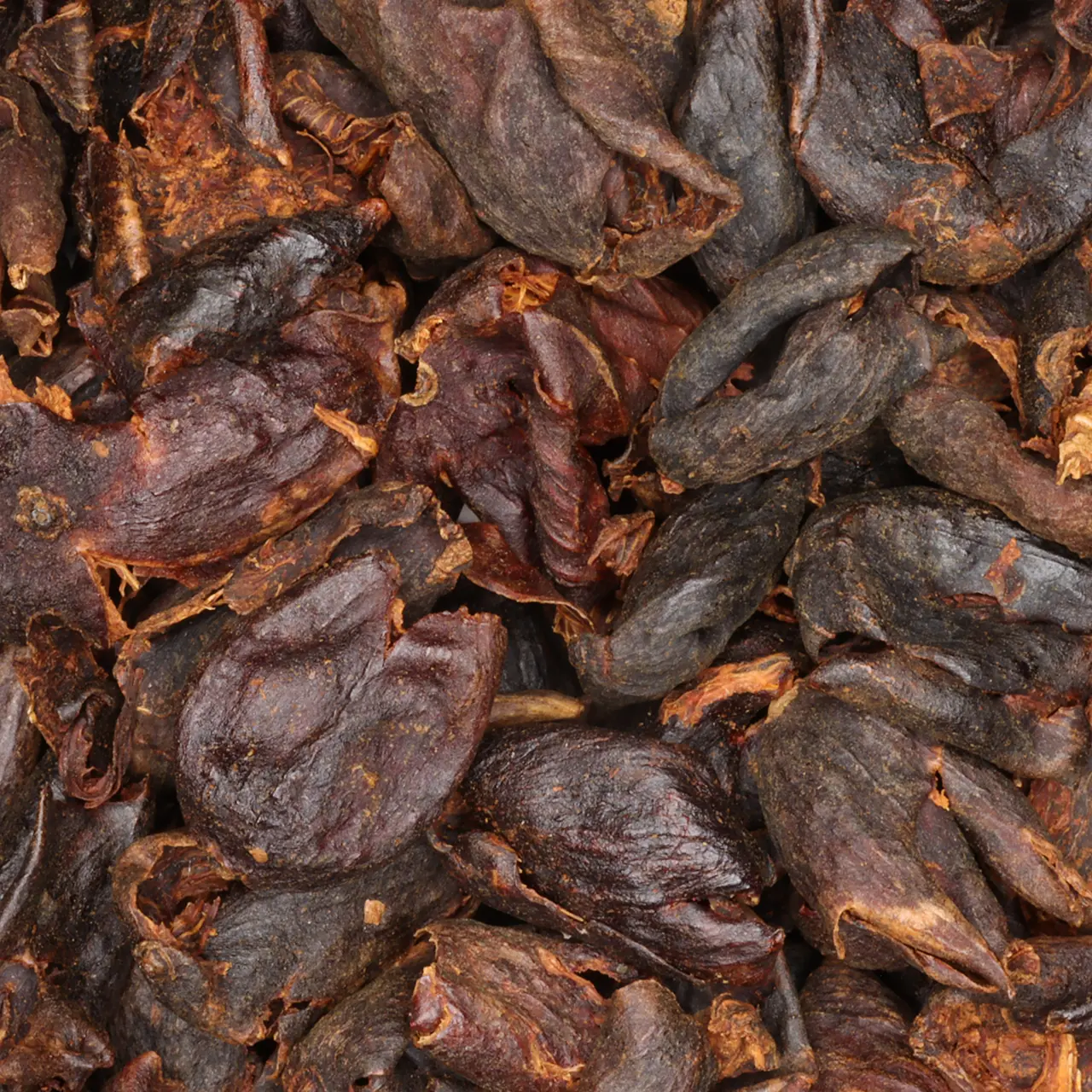
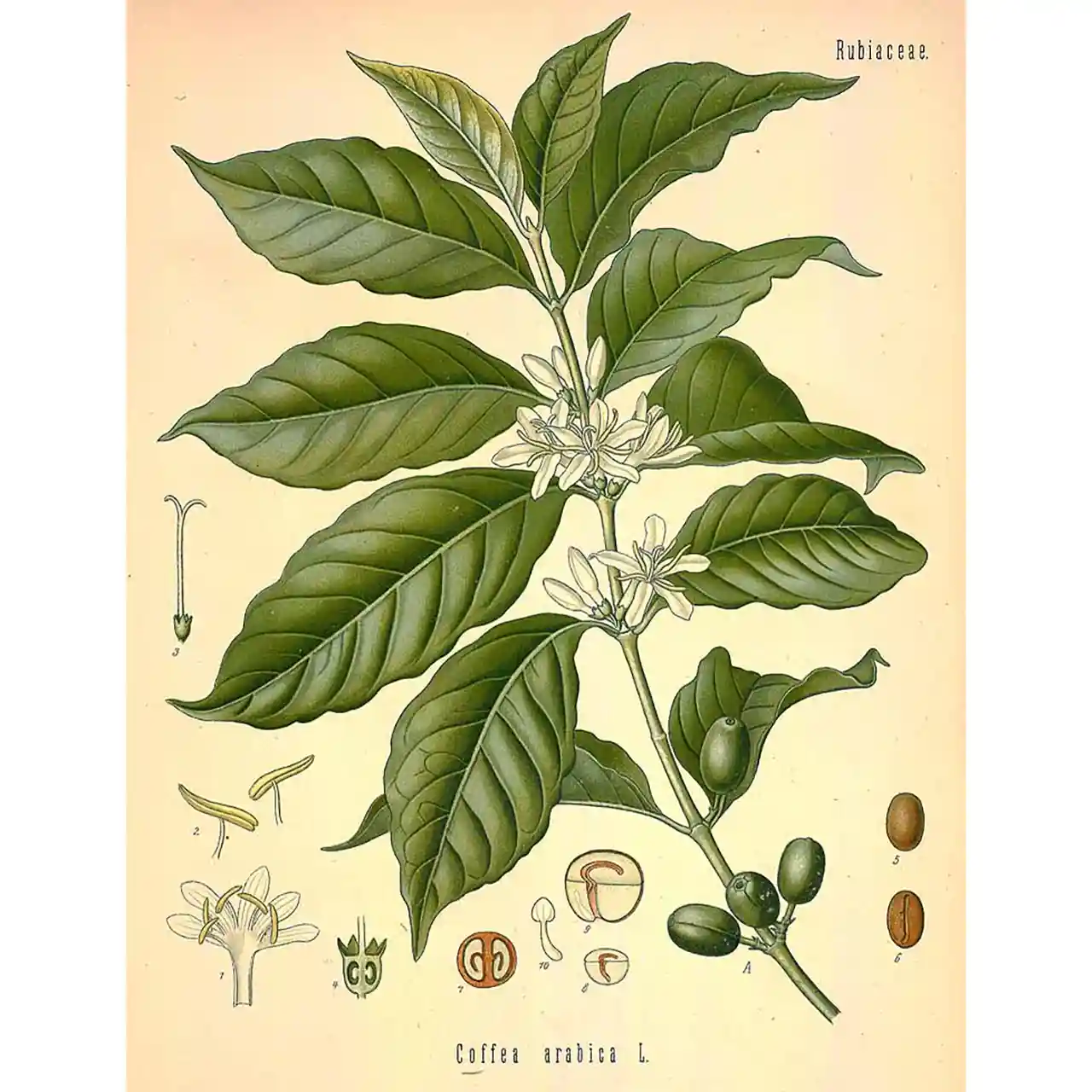
Cascara consists of the dried pulp and skin of the coffee cherry. This fruit usually contains two seeds. After processing and roasting, we recognise these as coffee beans.
This cascara comes from Coffea arabica, a coffee plant that grows as a shrub or small tree. The species is native to tropical East Africa and is now cultivated in many tropical highland regions.
During coffee processing, the seeds are separated from the surrounding pulp. The husk and pulp can then be carefully dried. This produces the light, leathery pieces of fruit that are used as cascara.
Traditional use
Drinks made from dried coffee berries have a long history in Ethiopia and Yemen. In Yemen, ‘qishr’ is well known: a drink made from dried parts of the coffee fruit, often prepared with spices such as ginger. In Ethiopia, too, parts of the coffee fruit have traditionally been used to make drinks.
Flavour, aroma and appearance
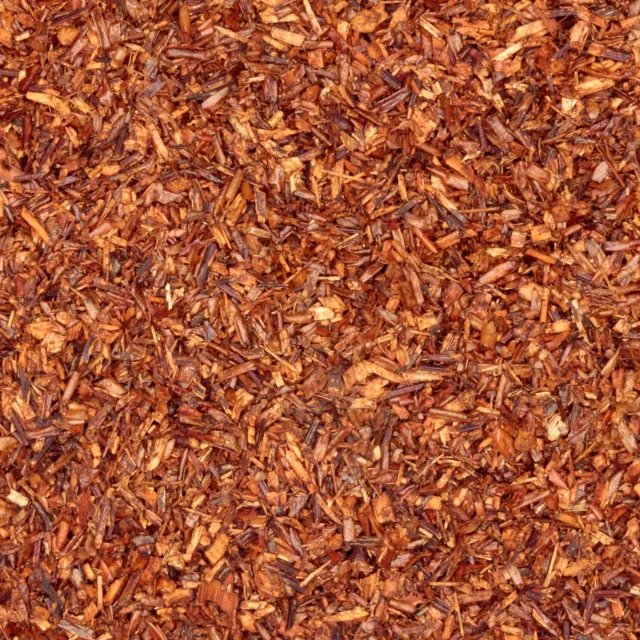
Dried cascara consists of irregular, somewhat leathery pieces of fruit. They range in colour from reddish-brown to dark brown. The dry aroma is mild and fruity, with a slight sweetness reminiscent of dried fruit.
When brewed as a herbal infusion, cascara has a smooth, fruity and slightly sweet flavour. Notes of raisins, dried apricots and red berries may come through. Sometimes, the overall flavour is also somewhat reminiscent of mild black tea.
The flavour differs markedly from ordinary coffee. As the coffee beans have not been roasted, the distinctive roasted aroma is absent. The infusion can be enjoyed either hot or cold.
Fun fact ☕
Botanically speaking, a coffee bean is not a bean at all, but the seed of a fruit. It is mainly these seeds that are used to make a regular cup of coffee. Cascara, on the other hand, allows you to taste the part surrounding the seed: the dried pulp and the skin of the same coffee berry.