



Description
Origin & botany
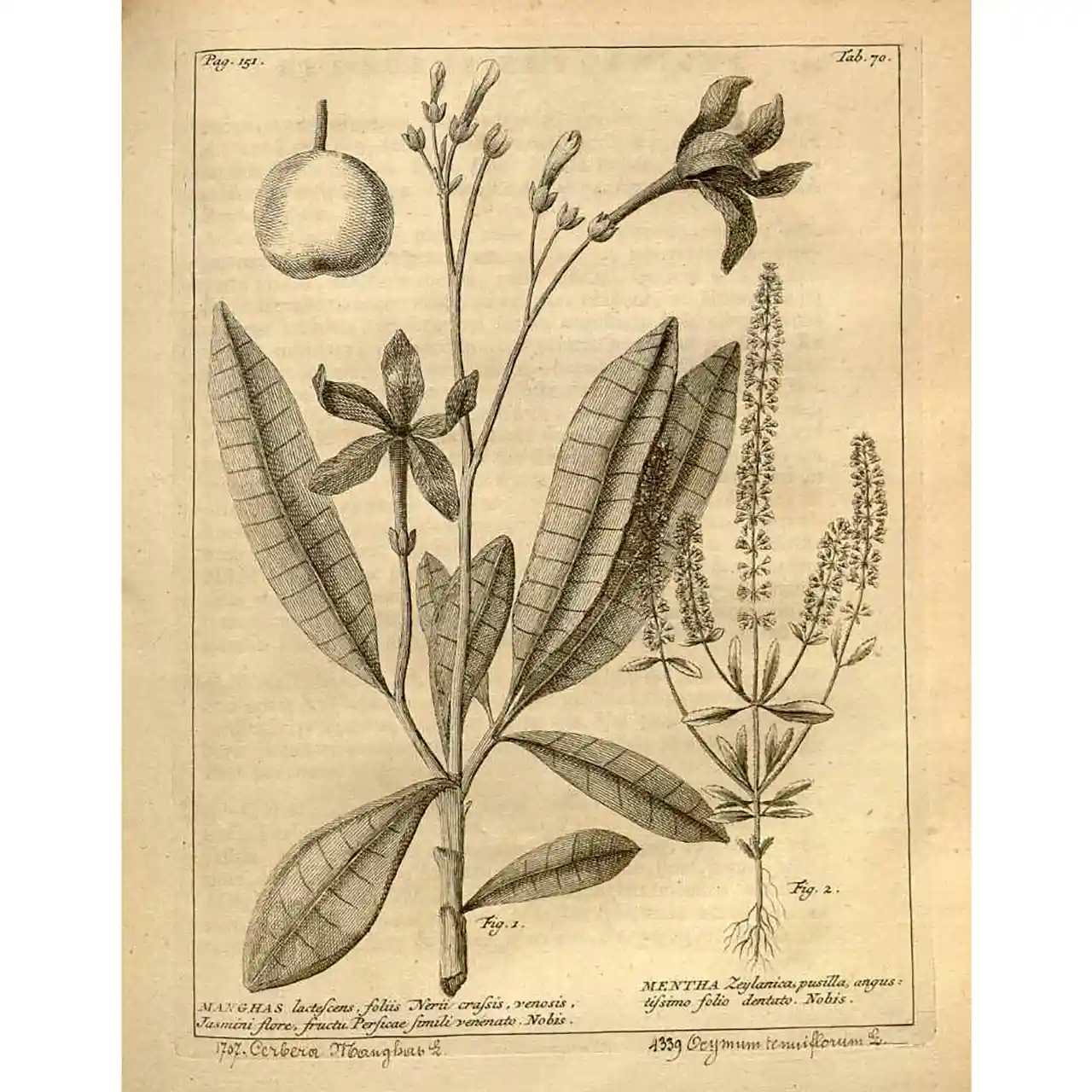
Tulsi (Ocimum tenuiflorum L.) belongs to the mint family (Lamiaceae), just like basil, mint and sage. The species is native to much of tropical and subtropical Asia and further east to the western Pacific region. Tulsi is closely related to the well-known culinary basil, but has its own distinct aromatic character.
Traditional use
In India, tulsi has traditionally held a special place within religious practices and Ayurvedic herbal culture. The plant is regarded as sacred in Hinduism and is traditionally planted near homes and temples. This information relates solely to cultural and historical context and does not constitute a statement regarding its effects or efficacy.
Taste, aroma and appearance
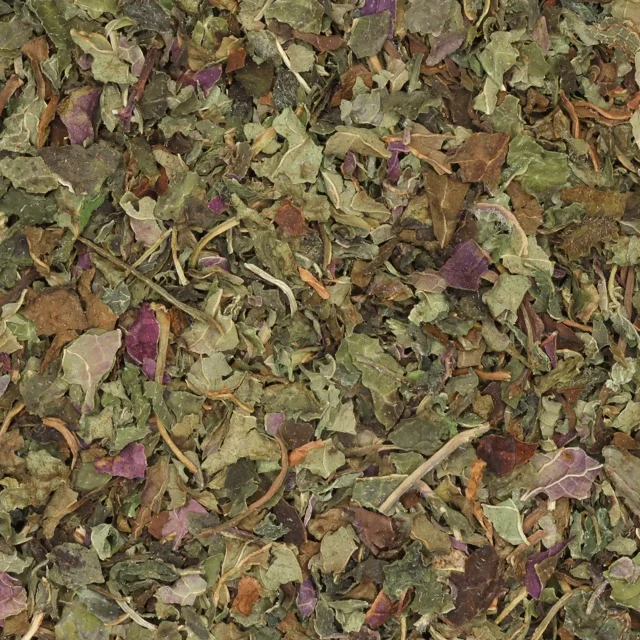
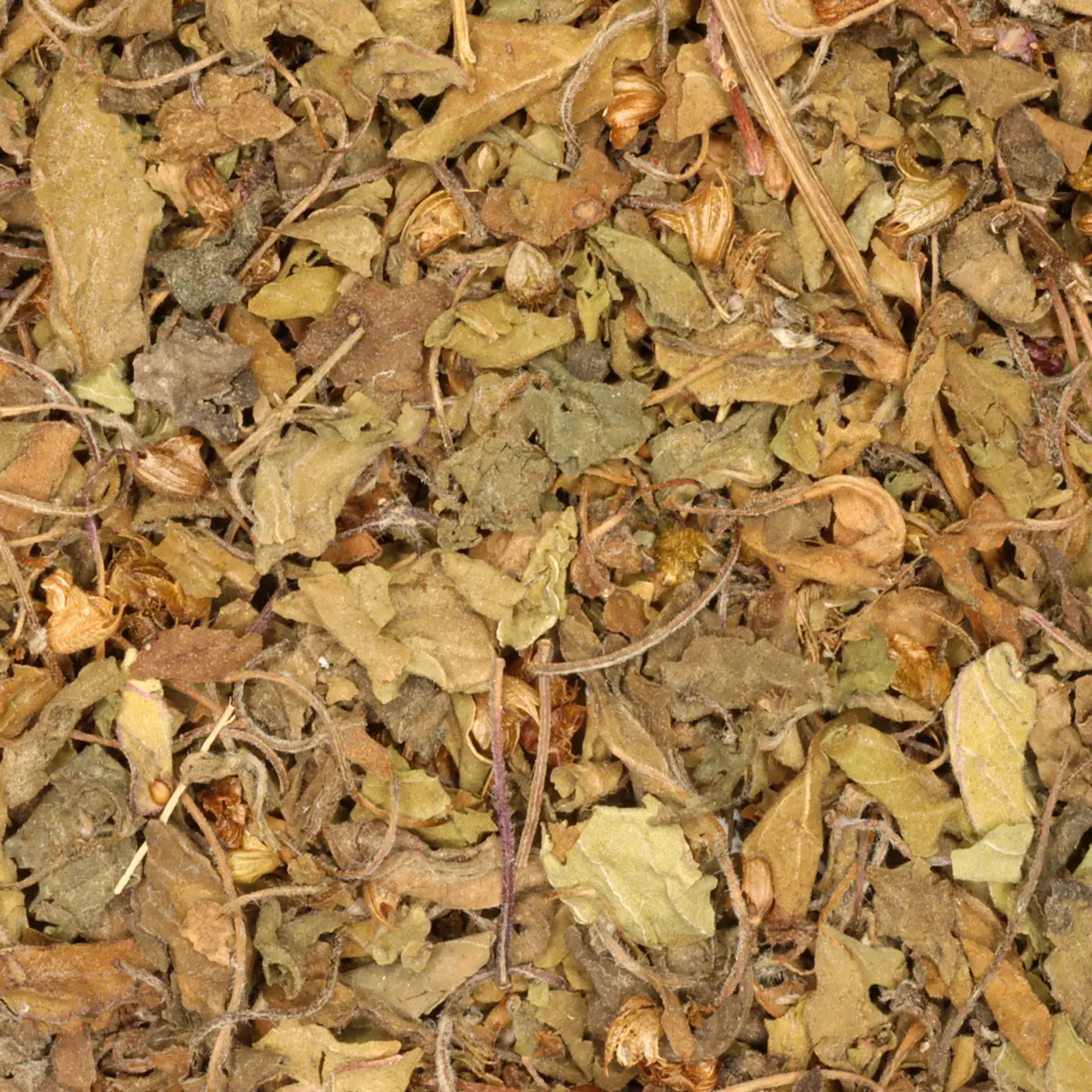
The dried herb has a fresh, herbaceous aroma with notes reminiscent of basil, mint and cloves. As a herbal infusion, tulsi produces a lively, slightly peppery and distinctly herbaceous brew. The herb combines well with lemongrass, ginger and rose petals, amongst others.
Fun fact 🪔
In older herbal literature and in trade, tulsi is also known by the botanical name Ocimum sanctum. The Latin word sanctum means ‘holy’ or ‘consecrated’, which explains the name ‘holy basil’. Nowadays, Ocimum tenuiflorum is considered the accepted botanical name.