


Description
Origin & botany
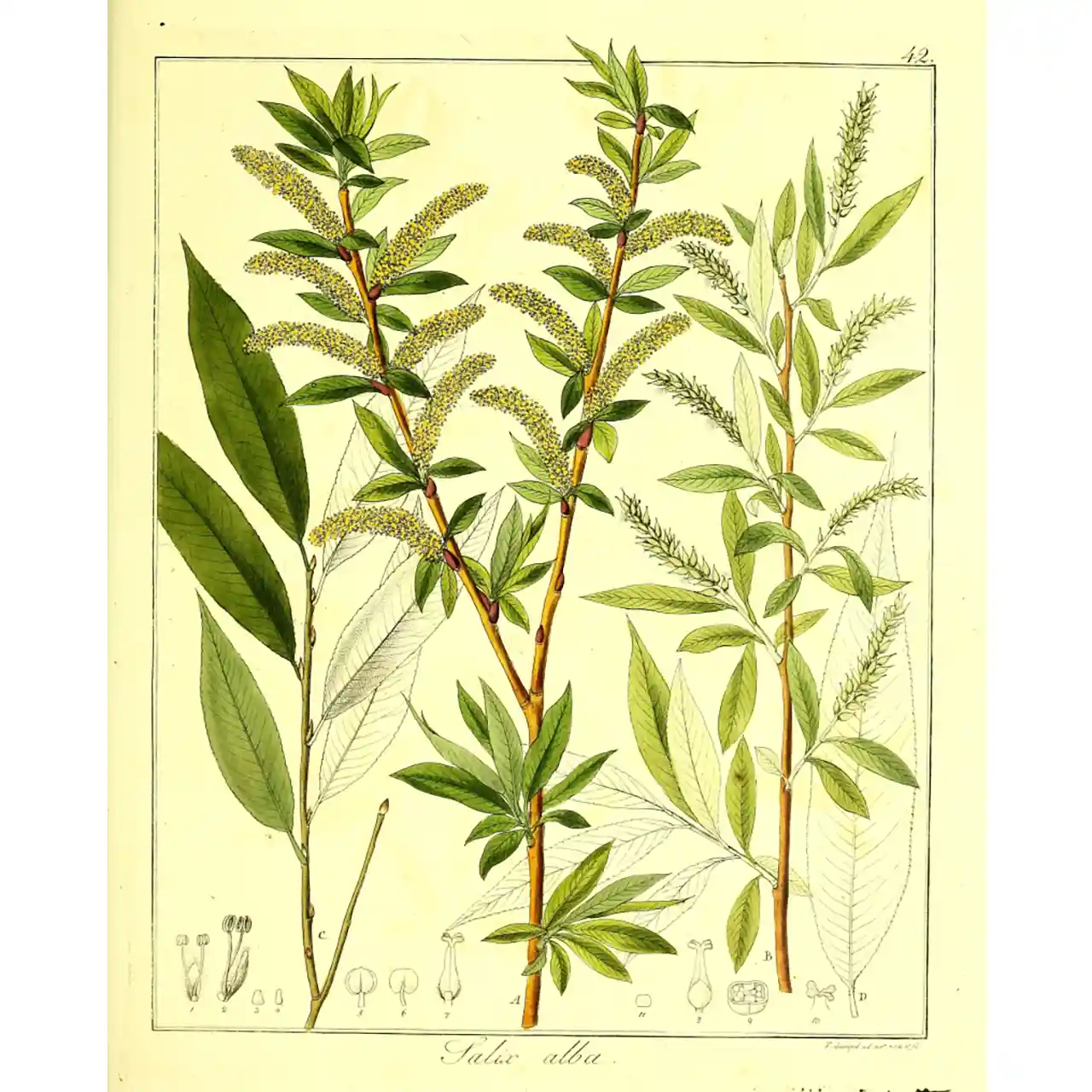
White willow bark comes from the white willow (Salix alba), a deciduous tree of the willow family. The tree is a familiar sight in the European landscape and thrives in damp locations, such as along rivers, ditches and wet grasslands. The white willow has narrow, grey-green leaves and supple twigs. The species name alba means ‘white’ and refers to the silvery-white underside of the leaf. When the wind blows, this gives the crown a striking silvery sheen. For this herbal product, the bark is dried and cut into pieces.
Traditional use
Willow bark has featured in European herbal books and apothecary practices for centuries. Among other uses, the bark was processed into decoctions, whereby the plant material was boiled in water for some time. In the nineteenth century, willow bark also became important for research into salicin and related compounds.
Dit kruid heeft een plaats binnen de Herbal medicine. Deze verwijzing betreft uitsluitend de cultuurhistorische achtergrond en is geen uitspraak over werking of effectiviteit.
Precautions for use 🚦
Willow bark contains salicylate compounds, substances related to aspirin. They may cause allergic reactions in people with hypersensitivity and may increase the risk of bleeding in cases of active stomach or intestinal ulcers, clotting disorders or when taken in combination with blood-thinning medication. In cases of G6PD deficiency, salicylates can damage red blood cells; severe liver or kidney problems may impair their metabolism and excretion. Therefore, do not use this product in the situations mentioned above or if you are under 18 years of age, and consult your doctor or pharmacist first if you are taking anticoagulants, aspirin or other anti-inflammatory painkillers.
Taste, smell and appearance
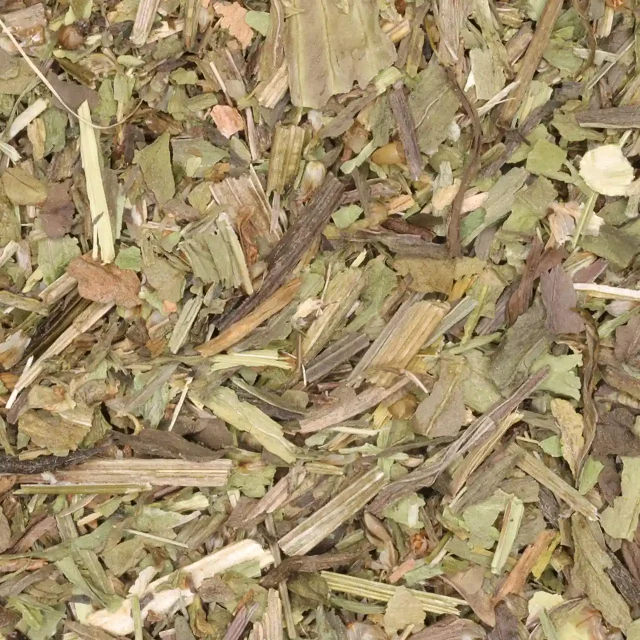
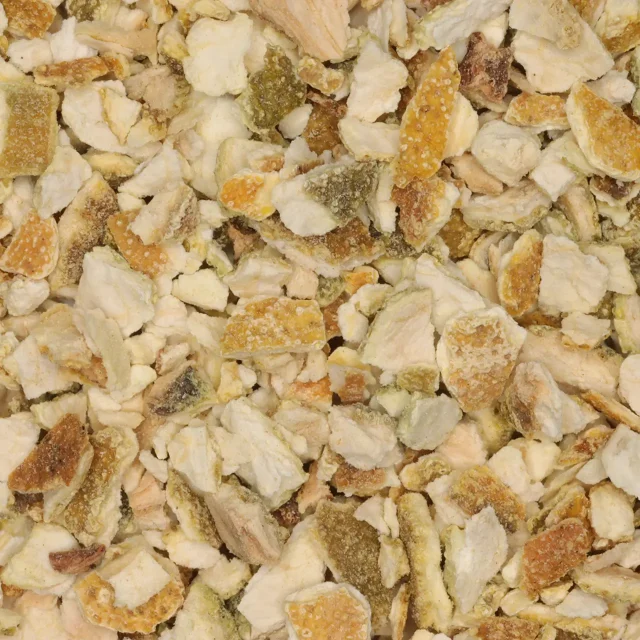
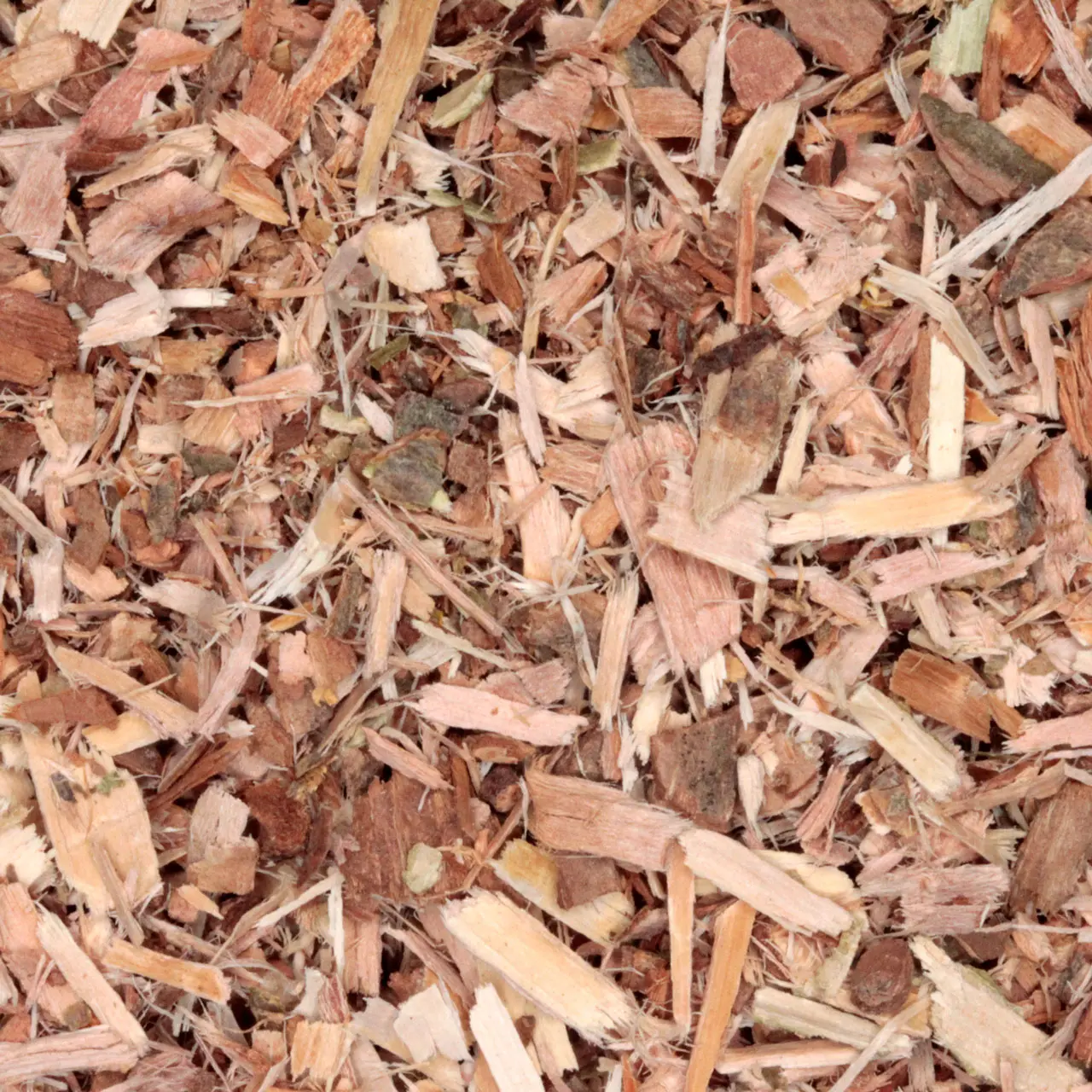
The dried, chopped bark has a light, woody scent and a simple, natural appearance. The irregular pieces are clearly reminiscent of dried tree bark. As a herbal infusion, white willow bark has an earthy and woody flavour with a distinct bitter note. The bark can be used on its own and is also found in herbal blends. Due to its pronounced bitterness, its flavour often remains recognisable alongside other herbs.
Fun fact 🧪
Willow bark and aspirin are related, but aspirin is not extracted directly from the bark. Willow bark contains salicin, a natural substance that was studied in the nineteenth century. Aspirin is a chemical derivative developed later and is not found in willow bark itself.