


Description
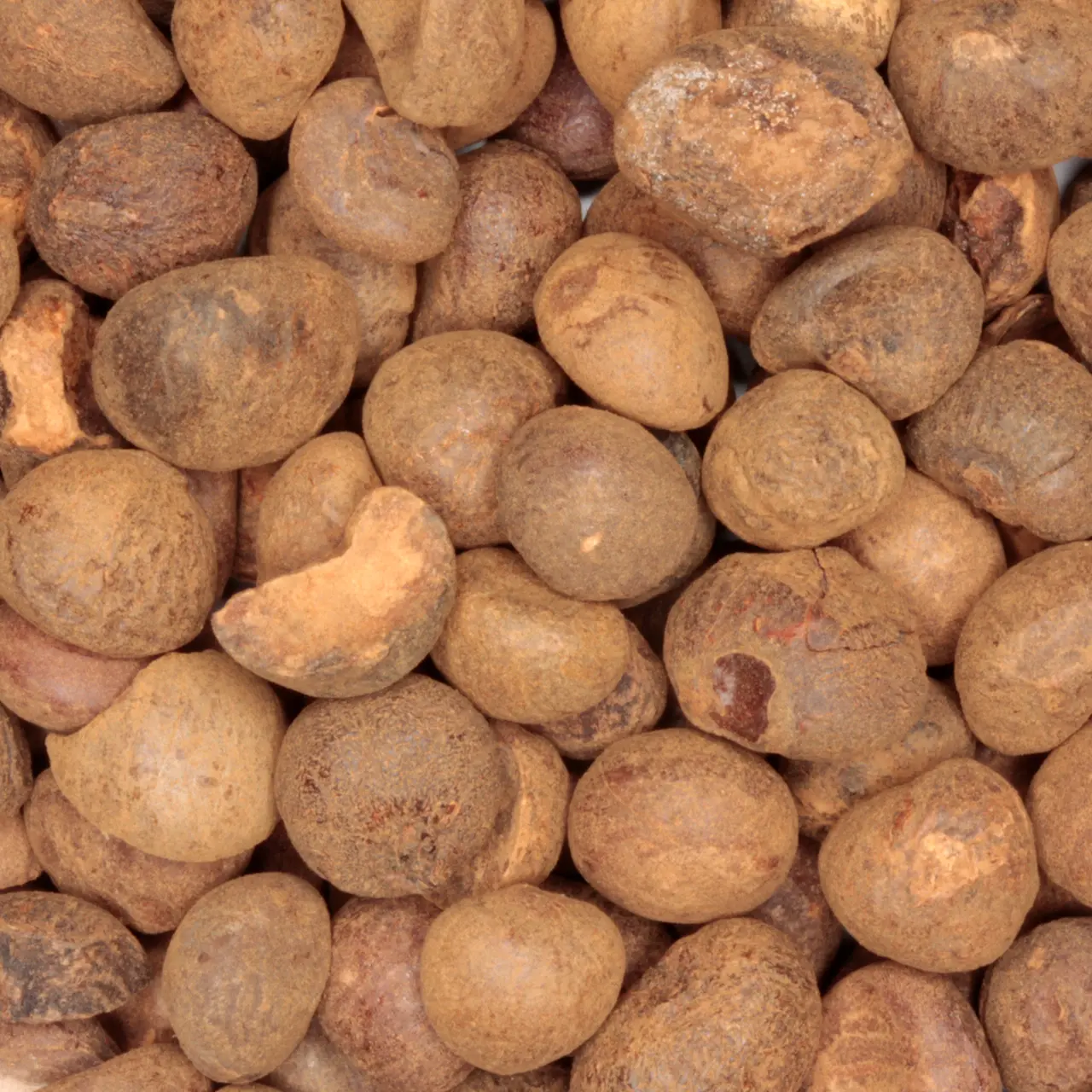
Guarana (Paullinia cupana) originates from the Amazon region, where its seeds have been used by indigenous communities for centuries. The plant is known for its deep red fruits that burst open to reveal shiny, dark brown seeds. After drying, these seeds are often ground or used in infusions, releasing a warm, earthy and slightly bitter flavour.
Botanical background
Guarana is a climbing plant from the soapberry family (Sapindaceae). The seeds naturally contain high levels of caffeine-like compounds, which have made the plant famous worldwide. In traditional cultures, the seeds are processed into pastes, blocks or powders, which are then dissolved in water or added to food and drinks.
Traditional and cultural context
In the Amazon region, guarana is considered a valuable natural product that plays an important role in social rituals, trade and daily nutrition. It was traditionally used as an ingredient in energy-rich drinks and local recipes, but without any health claims attached to it. Outside South America, guarana is mainly valued for its aromatic profile and as a special addition to herbal tea blends and cold infusions.