



Description
Origin & botany
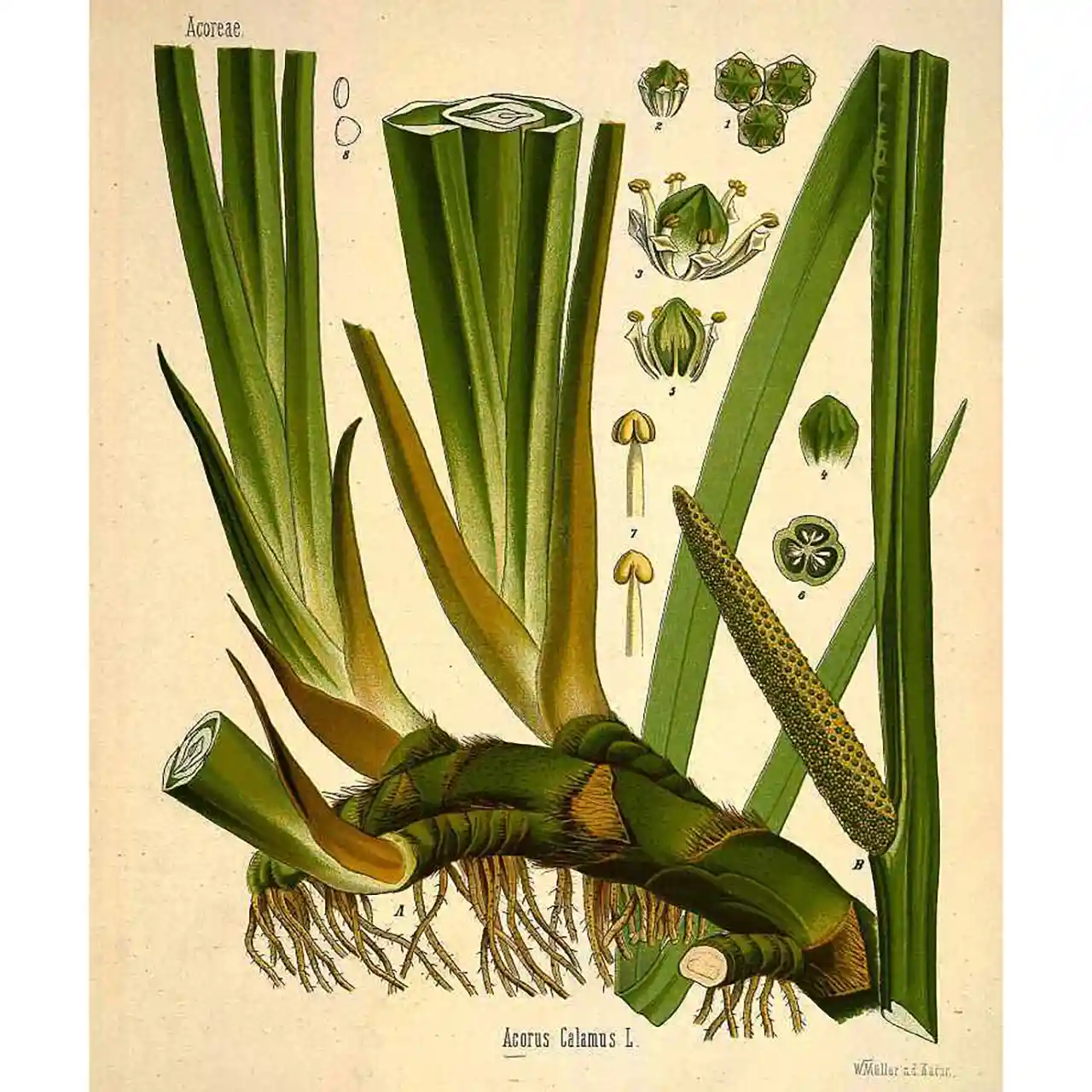
Calamus (Acorus calamus) is a perennial marsh plant belonging to the calamus family. The plant grows along riverbanks, ditches and other damp places. Long, narrow leaves resembling swords grow from the thick, creeping rhizome. The small yellow-green flowers are clustered closely together on a sturdy flower spike.
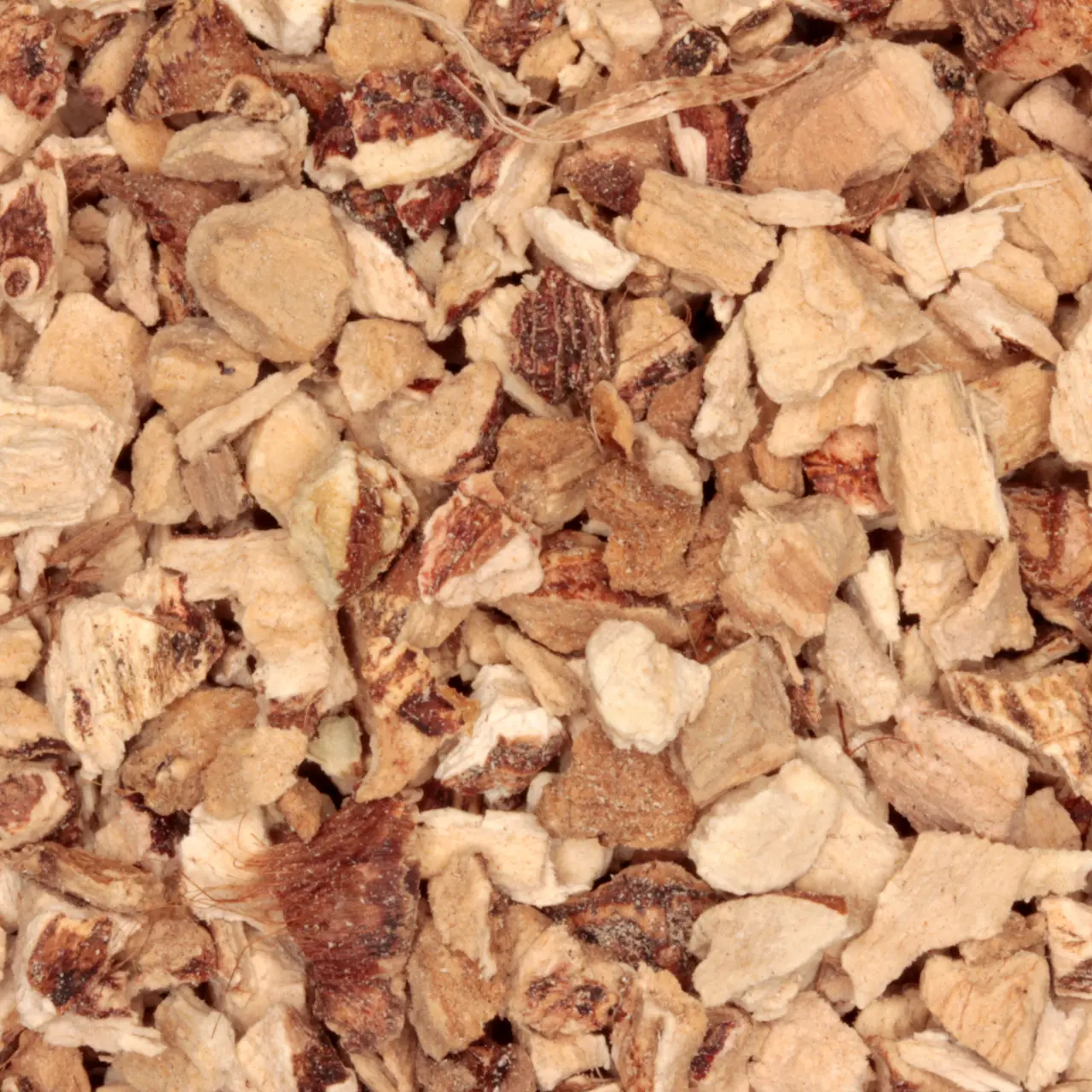
Through long-term cultivation and human dispersal, sweet flag has become established across large parts of Europe, Asia and North America. What is sold as sweet flag root is, botanically speaking, not the actual root. It consists of dried and cut pieces of the rhizome, the underground part from which new leaves and shoots grow.
Traditional use
The aromatic calamus rhizome has a long history in herbal preparations and fragrant blends. It was also used as a flavouring in certain bitters and liqueurs and was sometimes candied.
Dit kruid heeft een plaats binnen de Herbal medicine. Deze verwijzing betreft uitsluitend de cultuurhistorische achtergrond en is geen uitspraak over werking of effectiviteit.
Taste, aroma and appearance
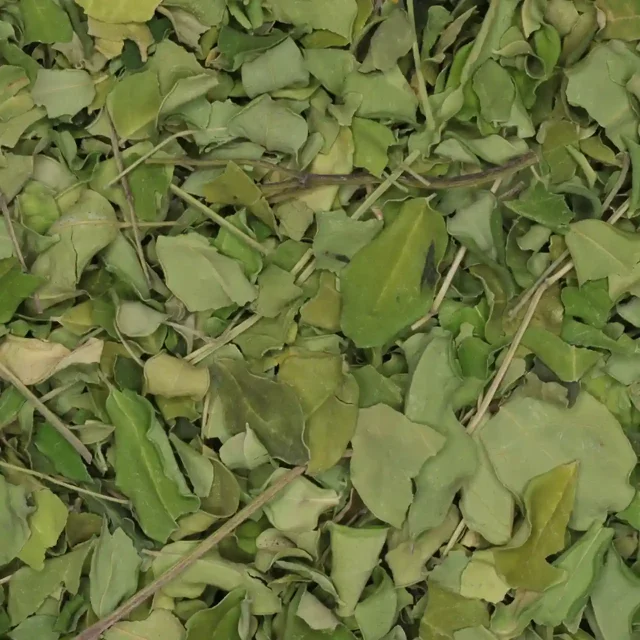
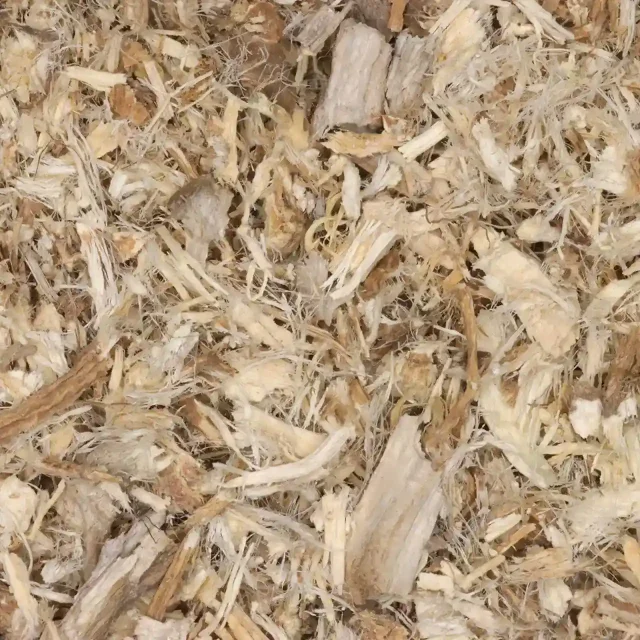
The dried rhizome consists of hard, irregular pieces in shades of beige, yellow-brown and dark brown. The aroma is powerful and warm, with woody and spicy notes. The flavour is distinctly bitter and aromatic, with a slightly sweet undertone. In a herbal infusion, the spicy, long-lasting bitterness remains particularly recognisable.
Fun fact 🌿
The flowering spike of calamus appears to grow out of the side of a leaf. In reality, the leaf-like sheath of the inflorescence extends beyond the spike. This gives the plant an unusual appearance that distinguishes it from many other riparian plants with sword-shaped leaves.